Military
15
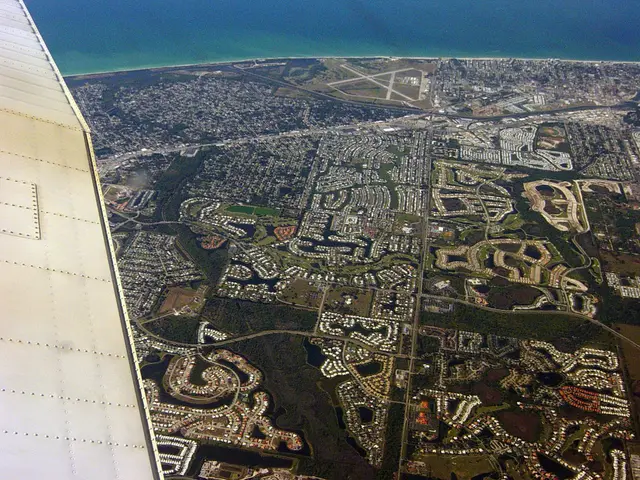
The fragile lands surrounding Casey's Pass were settled thousands of years ago by prehistoric Indians, but storms and currents changed the land over time and the original Floridians' villages were lost. An 1851 U.S. Coast and Geodetic chart labeled Casey's Pass, and a later military map shifted the name onto the island to the north, where it remains Casey Key. These place names honor John Charles Casey, a U.S. Army captain and Indian agent who graduated from West Point, came to Florida in 1835, aided in the removal of Seminoles, and built a spirit of trust with Billy Bowlegs, or Holata Micco, a chief of Florida Seminoles. For years Casey negotiated a fragile peace between chiefs and settlers until his health failed. In 1855 the Third Seminole War erupted, and in 1858 Bowlegs was deported west on the same steamer that carried Casey's body to Philadelphia. After the Civil War, homesteaders settled the land and sailed the bays in shallow draft boats. During the 1920s real estate boom, dredges altered channels and filled shores. The pass, which had migrated naturally for centuries, was restructured again under the 1935 River and Harbor Act, and in the 1960s, as Venice Inlet, it became part of the new Intracoastal Waterway system.
Hear stories like this as you drive
ExploreHere reads historical markers out loud as you pass them: over 325,000 stories across the US. No account needed.
4.7 · 800+ ratings · Free
FIND IT
Venice, Florida · United States