Industry
4
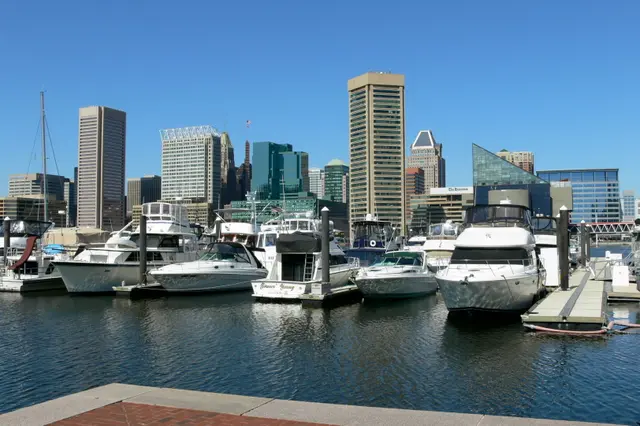
Baltimore's port predates the city itself. In 1706, two decades before Baltimore was founded, Maryland's colonial legislators designated Whetstone Point, near the site of Fort McHenry, as an official port of entry for the state's tobacco trade with England. As the century progressed, five smaller ports merged into what became the Port of Baltimore. Local development of the highly maneuverable Baltimore Clipper ships helped give rise to the fabric and flour mill industries. International trade boomed, especially with the Caribbean, and that trade facilitated the human trafficking of enslaved people to Baltimore. By the early 1800s, Baltimore had grown into the third-largest city in the U.S., and by the early 1900s it was the second-largest seaport in the U.S. for waterborne commerce. The city prospered because its geographic position placed it significantly closer to Midwest markets than any other eastern port, allowing goods to move faster and more cheaply by traveling first up the Chesapeake Bay to Baltimore and reducing overland distance. The launch of America's first commercial railroad there in 1828 further fueled Baltimore's economy, and by 1906 the Baltimore and Ohio Railroad connected 13 states, bringing raw materials to Baltimore to be made into manufactured goods and shipped around the world.
Hear stories like this as you drive
ExploreHere reads historical markers out loud as you pass them: over 325,000 stories across the US. No account needed.
4.7 · 800+ ratings · Free
FIND IT
Baltimore, Maryland · United States