History
4
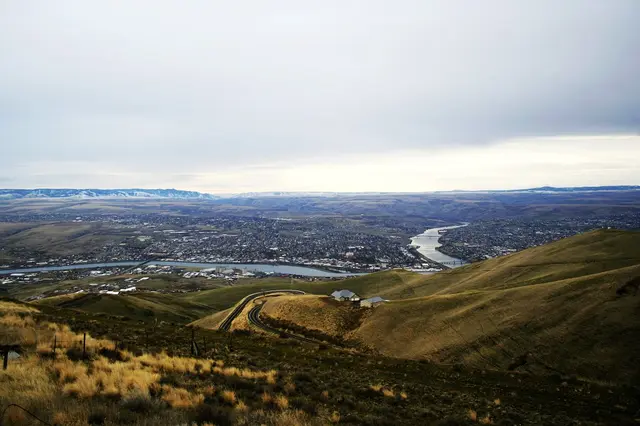
The Corps of Discovery reached the confluence of the Snake and Clearwater Rivers on October 10, 1805, and William Clark’s map of the site included a small island “at the point of union” of the channels. The island later appeared in early panoramic photographs of the valley. David Christian Hirzel claimed squatter’s rights to it on August 27, 1904, built a house and outbuildings there, and in 1911 sought a survey under the Homestead Act for the one-and-a-half acre property. Officials rejected his application because they said the island was not a permanent feature, and despite testimony from local surveyor Edson Briggs that it had existed beyond living memory, the claim was rejected again. The Northern Pacific Railway then sued Hirzel for quiet title, and both the district court and the Idaho Supreme Court ruled that the island was not land proper but only river bed material. Although Northern Pacific prevailed, it did not press the matter further. Hirzel remained on the island, where he brewed hard cider during Idaho’s prohibition era and spoke of turning the place into an amusement park. Floods repeatedly threatened his house, drawing crowds to watch during spring runoff, but he repaired the damage and stayed until the house burned in September 1932. He died on January 4, 1933. In October 1959, the Bureau of Land Management ruled that the island was public land subject to federal survey and disposal, confirming Hirzel’s long-disputed contention, and Hirzel Island was permanently inundated in 1975 when the pool behind Lower Granite Dam was filled.
Hear stories like this as you drive
ExploreHere reads historical markers out loud as you pass them: over 325,000 stories across the US. No account needed.
4.7 · 800+ ratings · Free
FIND IT
Lewiston, Idaho · United States