History
8
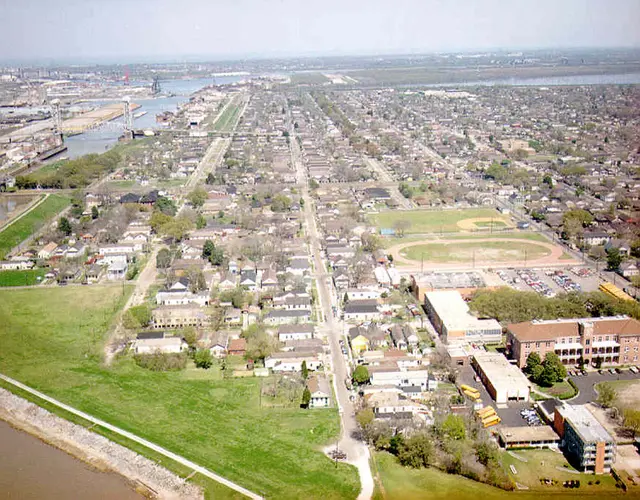
Louis and Hilaire St. Amand, free men of color, purchased the Chalmette Plantation from Pierre Denis de La Ronde in 1817 and ultimately subdivided the plantation into five lots in 1832. The wealthy St. Amand family in turn conveyed parcels of the property to others, including extended family members. Jean Pierre Fazende and his wife, Catiche Paillet, both free people of color, bequeathed the property to Jean Pierre Fazende, Jr. in 1857, and he remained in possession of the tract until he subdivided a portion to establish a settlement for freed enslaved people and former free people of color in 1867. Fazendeville was established on property that had been part of the sugar plantation on the site of the Battle of New Orleans on January 8, 1815, belonging to Ignace de Lino de Chalmette. Fazende was highly educated and recognized that the transition from slavery to freedom was to be arduous. By the 1870s, the community had developed a healthy identity, with its own school, general store, and Battle Ground Baptist Church. Generations of the same families lived there until 1964, when the United States government acquired Fazendeville by right of eminent domain to incorporate the village into Chalmette National Historical Park, and a site important to understanding the evolution of enslaved peoples to freedom was lost to posterity.
Hear stories like this as you drive
ExploreHere reads historical markers out loud as you pass them: over 325,000 stories across the US. No account needed.
4.7 · 800+ ratings · Free
FIND IT
Chalmette, Louisiana · United States