Industry
7
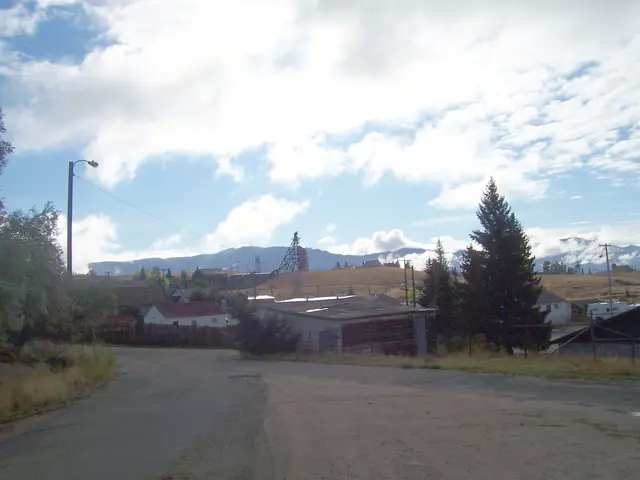
The Anaconda Copper Mining Company erected the Mountain Consolidated, or "Con," mine headframe in 1928. Rising 129-1/2 feet, the steel headframe and five idler towers replaced smaller wooden structures. The Hoist House, or Engine Room, on the hill above lowered men and equipment into the mine and raised ore from it. The Con headframe is the second tallest of the 12 surviving steel headframes on the Butte Hill. Beneath it, a mineshaft dropped almost 5,300 feet to reach crosscuts and drifts that intersected and followed copper veins. Copper-bearing ore was brought to the surface and unloaded into ore bins for shipment by the Butte, Anaconda and Pacific railroad to concentrators and smelters in Anaconda. In Butte, headframes, also known as a Gallus or Gallows Frame, became symbols of the community. During the heyday of underground mining, electricians and ropemen decorated them every Christmas and lit them each Thanksgiving Eve, a tradition that continues as volunteers light the city's remaining headframes every Christmas season.
Hear stories like this as you drive
ExploreHere reads historical markers out loud as you pass them: over 325,000 stories across the US. No account needed.
4.7 · 800+ ratings · Free
FIND IT
Butte-Silver Bow (balance), Montana · United States