History
7
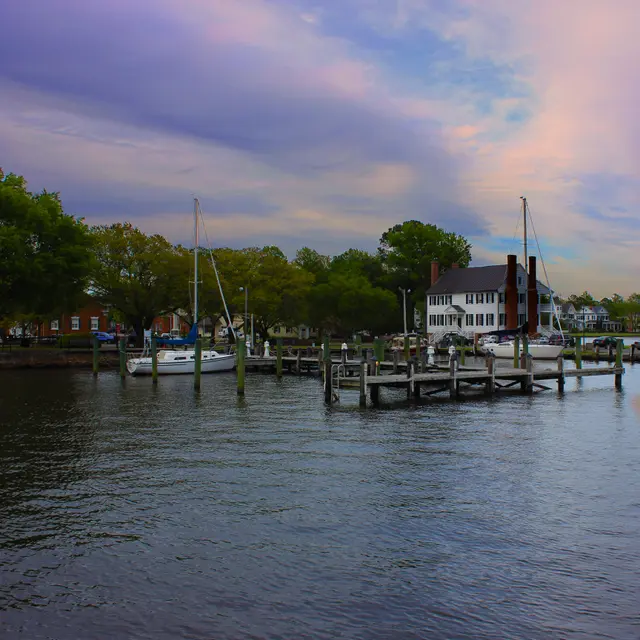
During the antebellum period, Edenton harbor was the town's industrial center, with wharves, shipyards, and maritime activity. North Carolina's small, ill-protected harbors prevented the development of major ports and stunted the growth of the state's plantation economy, but the same coastline offered enslaved workers hope of passage to freedom. That hope was uncertain and often met with repeated failures and bitter reprisals, yet coastal enslaved people continued to risk the sea until the Civil War. Runaways depended on maritime blacks in coastal ports like Edenton, where black seamen worked as stewards and cooks on most ships and held skilled crew positions on many vessels, ferrymen who were nearly always enslaved carried passengers and goods from local docks, enslaved women sold fish, oysters, stew, and cornbread to sailors and provided laundry services, and enslaved artisans caulked, refitted, rigged, and rebuilt wooden vessels. This maritime culture created a complex web of informants, messengers, go-betweens, and other potential collaborators that aided escapes to freedom, including Harriet Jacobs's escape from Edenton by sea in 1842, when the town's African American community, including black seamen, arranged her passage on a schooner bound for Philadelphia.
Hear stories like this as you drive
ExploreHere reads historical markers out loud as you pass them: over 325,000 stories across the US. No account needed.
4.7 · 800+ ratings · Free
FIND IT
Edenton, North Carolina · United States