Military
2
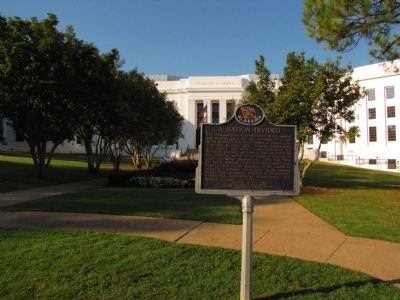
In early 1861, the Alabama State Capitol served for four months as the symbol and meeting place of the newly formed Confederate States of America. Growing controversy over slavery and states' rights, culminating in Abraham Lincoln's election as U.S. president in November 1860, led seven Southern states, including Alabama, to secede by early February 1861. On February 4, delegates from six of those states met in the Capitol's Senate Chamber to organize a separate government, and in the following weeks they adopted a constitution, created governmental departments, and chose a chief executive. Jefferson Davis of Mississippi was inaugurated president of the provisional Confederate government on the Capitol portico on February 18, 1861, and on March 4 the Confederacy's first national flag was raised over the building. The State Capitol remained the meeting place of the provisional Confederate Congress while government offices occupied rented quarters nearby. After the bombardment of Fort Sumter and Lincoln's call for volunteers brought the secession of four more states, the capital moved to Richmond, Virginia, in May 1861, where it remained until April 1865.
PHOTOS
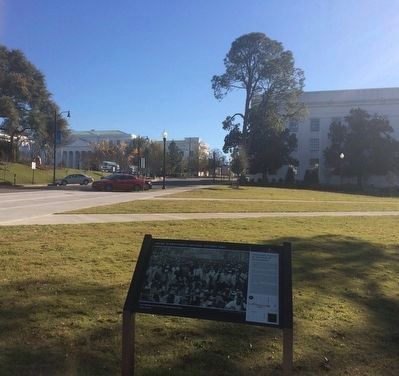
Photo: Mark Hilton

Photo: Mark Hilton

Photo: Lee Hattabaugh
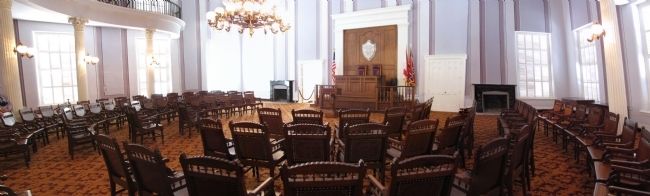
Photo: Lee Hattabaugh
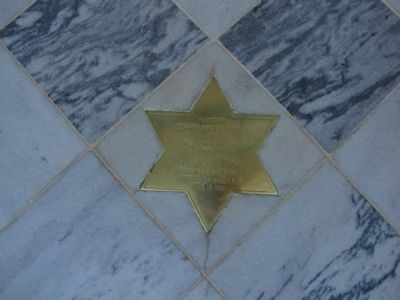
Photo: Lee Hattabaugh
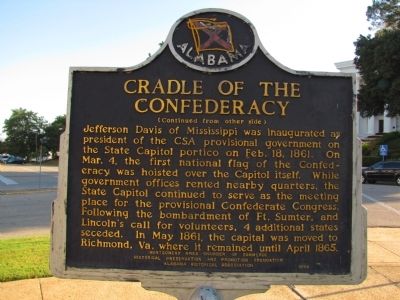
Photo: Lee Hattabaugh
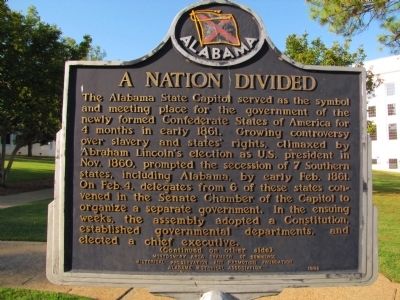
Photo: Lee Hattabaugh
FIND IT
Montgomery, Alabama · USA
NEARBY MARKERS
© 2026 MainEngine