Pop Culture
10
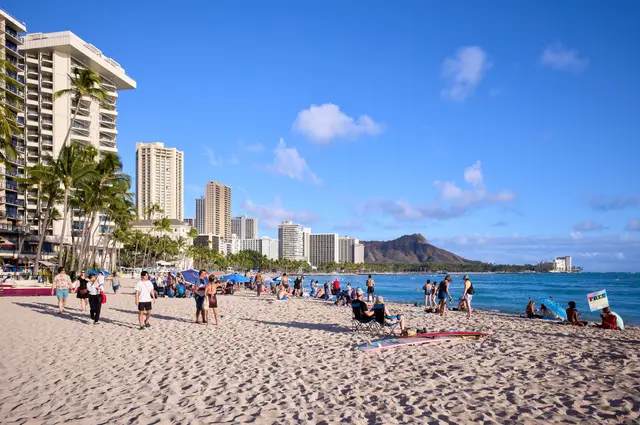
Olympic swimming champion Duke Kahanamoku (1890–1986) spent much of his youth in Kālia with his mother’s family, the Paoas, who owned most of the 20 acres now occupied by the Hilton Hawaiian Village. Kālia, meaning “waited for,” was said to have been named for a husband who waited there for the return of his wife after she had been wooed away by a rival chief on Maui. Duke’s grandfather, Ho`olae Paoa, a descendant of royal chiefs, received the land from King Kamehameha III in the Great Mahele of 1848, which divided lands among the king, chiefs, and commoners and for the first time allowed foreigners to own land in the kingdom. The Paoas were a large ‘ohana, with more than 100 living in the area, and Duke’s home stood about where the former Hilton Dome stood for many years. The families kept gardens that produced enough taro and sweet potatoes for their needs, and as excellent fishermen they also relied on seaweed, squid, shrimp, crab, lobster, and many kinds of fish. Duke learned to swim in these waters by being thrown in to sink or swim, and he became so skilled that in 1910 he broke the world’s record for the 50-yard sprint. In 1912 he joined the U.S. Olympic team and won the gold medal in the 100-meter freestyle. In this same area he also learned to become a champion surfrider and Hawaiian outrigger canoe paddler, and in 1925 he became a national hero when he used his surfboard to rescue eight fishermen from their sinking vessel in high seas off Newport Beach.
Hear stories like this as you drive
ExploreHere reads historical markers out loud as you pass them: over 325,000 stories across the US. No account needed.
4.7 · 800+ ratings · Free
FIND IT
Honolulu, Hawaii · United States