History
6
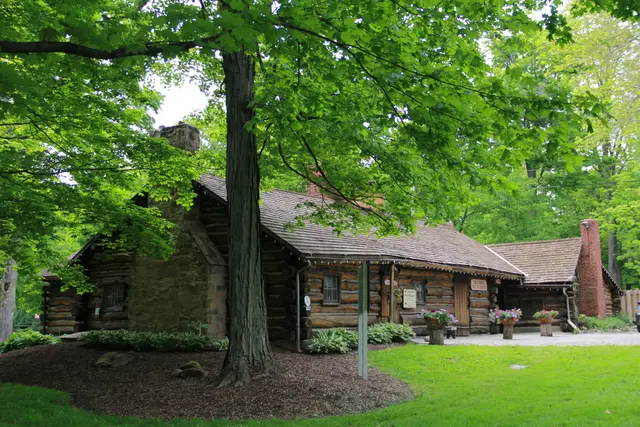
Burton Village's Historic District, placed on the National Register of Historic Places in 1974, was recognized for its noteworthy representation of the history, culture, and architecture of the Western Reserve. Covering approximately 20 acres around the Village Green and along streets at the north end of the Green, it includes 15 historically significant buildings built between 1815 and 1891. Its preserved commercial and public buildings and private dwellings reflect the cultural and architectural development of a Western Reserve village in Ohio during the 19th century, with architectural styles including Western Reserve, Greek Revival, Second Empire, Italianate, and Queen Anne. The Village of Burton epitomizes the beginning of settlement in the Western Reserve and retains the charm and history of its earliest roots. On September 16, 1873, James A. Garfield, then a member of Congress and later president of the United States, told the Historical Society of Geauga County in Burton that some Western Reserve townships were more thoroughly New England in character and spirit than most towns in New England itself because, cut off in the wilderness from metropolitan influences, they preserved the characteristics of the New England the settlers had left at the beginning of the century.
Hear stories like this as you drive
ExploreHere reads historical markers out loud as you pass them: over 325,000 stories across the US. No account needed.
4.7 · 800+ ratings · Free
FIND IT
Burton, Ohio · United States