Transportation
3
After crossing the Bitterroot Mountains, the Corps of Discovery returned to water travel, burning and chipping out ponderosa pine logs under the guidance of the Nimi’ipuu to make dugout canoes for the final change in transportation before reaching the Pacific Ocean. Captain Wm. Clark recorded on October 8, 1805, that one canoe in which Sergt. Gass was steering nearly turned over, sprang a leak or split open on one side, filled with water, and sank on the rapid. Horses were also central to travel in the region. For the Nimi’ipuu, the horse, or “s’ik’em,” allowed movement from river valleys to the highlands for seasonal fishing, hunting, and crop harvesting, and also supported travel east to buffalo country; horses were also a source of wealth and pride. On their return from the Pacific, Meriwether Lewis noted the special Nimi’ipuu breed called “m’a min,” developed through selective breeding into the famous spotted horses that remain a continuing tradition. Goods and people later moved through the region by horse-powered vehicles such as stage coaches on the Waha Road. Beginning in the 1860’s, steamboats carried supplies upriver and took grain and other regional products downriver to market, and today barges and jetboats continue river transportation in different ways.
Hear stories like this as you drive
ExploreHere reads historical markers out loud as you pass them: over 325,000 stories across the US. No account needed.
4.7 · 800+ ratings · Free
FIND IT
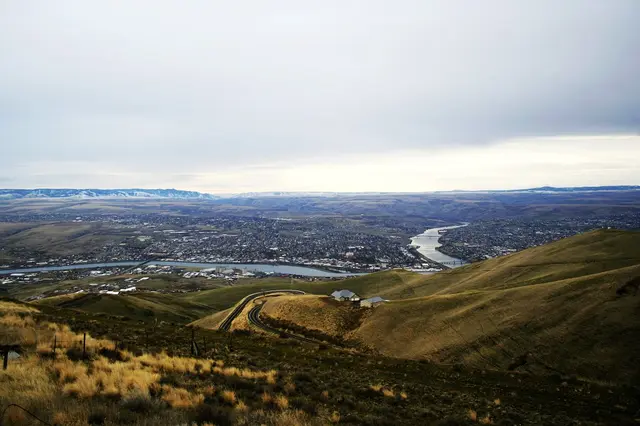
Lewiston, Idaho · United States