Arts & Culture
2
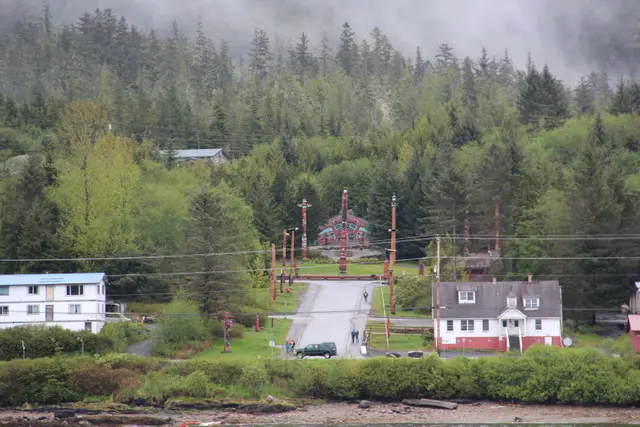
Northwest Coast Native artistic traditions reach back centuries, with totem poles traditionally owned by the families who commissioned them as memorials and marks of status rather than as religious icons, and with artists holding high standing as they produced grand carvings, house posts, screens, and dugout canoes through apprenticeship and resourceful techniques. In the late 1800s and early 1900s, relocation, disease, and suppression threatened this art, but beginning in 1929 federal efforts brought totems from abandoned villages, repaired decaying cedar, and replicated poles beyond saving, while master artists taught a new generation of carvers. New Deal programs, including Civilian Conservation Corps support, helped revive totem-pole artistry at places such as Saxman and Totem Bight, linking Native and white peoples, and through the rest of the 20th century Native artists gained renewed honor and in some cases lucrative careers. The buying and selling of Northwest Coast art between Native and Western peoples also had a long history, stretching back to the 1780s, with works entering museums and later being made expressly for sale, including a flourishing curio trade by the 1920s.
Hear stories like this as you drive
ExploreHere reads historical markers out loud as you pass them: over 325,000 stories across the US. No account needed.
4.7 · 800+ ratings · Free
FIND IT
Saxman, Alaska · United States