Military
12
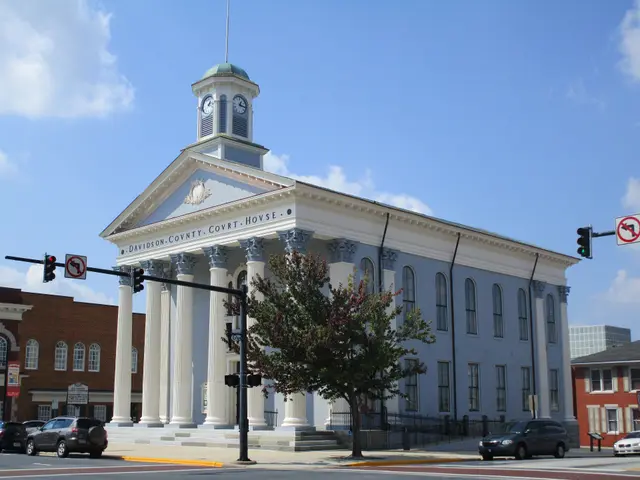
President Jefferson Davis and his entourage paused in Lexington on April 16-17, 1865, as the Confederate government fled south after the April 3 evacuation of Richmond, Virginia. While there, Davis telegraphed Gen. Joseph E. Johnston about the whereabouts of Secretary of War John C. Breckinridge. The Civil War essentially ended after Johnston surrendered the forces under his command to Union Gen. William T. Sherman at Bennett Place near Durham on April 26, 1865. As Reconstruction began in the South, officers of the 9th Pennsylvania Cavalry under Union Gen. H. Judson Kilpatrick were quartered in the Davidson County Courthouse for two months starting in May, while the rest of the regiment bivouacked outside Lexington and several companies patrolled the countryside. Kilpatrick established his headquarters nearby at Lexington’s finest residence, The Homestead. On November 23, 1865, while Union troops still occupied the county, a fire damaged the courthouse interior, possibly starting in a ground-floor office and burning through to the courtroom. Some townspeople believed soldiers had set the fire, but local resident John McCrary saw many Federals helping extinguish the flames and rescue important county records. Although little physical evidence of the fire remains, documents indicate the damage was serious, yet the court soon resumed meeting in the building. James M. Leach, an attorney and former Confederate congressman, petitioned the U.S. Congress for repair costs, but his petition was never heard, and the county had to borrow money from private citizens to pay for the work.
Hear stories like this as you drive
ExploreHere reads historical markers out loud as you pass them: over 325,000 stories across the US. No account needed.
4.7 · 800+ ratings · Free
FIND IT
Lexington, North Carolina · United States