History
4
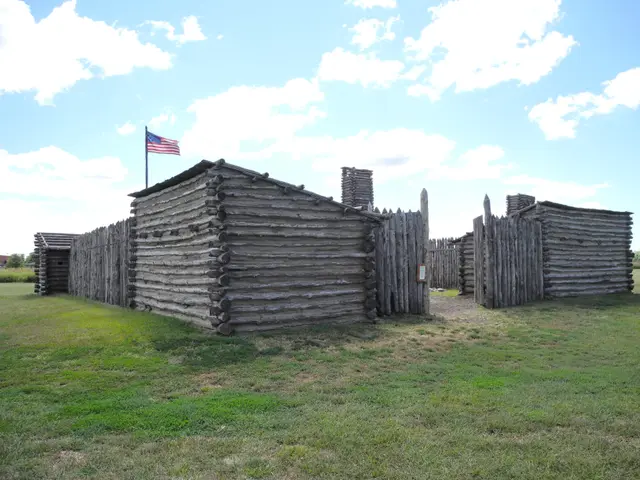
From 1804 to 1806, Captains Meriwether Lewis and William Clark led the Corps of Discovery on a journey ordered by President Thomas Jefferson to find a water route to the Pacific Ocean through the newly acquired Louisiana territory. They mapped the land, recorded its resources, and met with and learned from Native inhabitants. In preparation, Lewis studied medicine, botany, zoology, and celestial observation, and with Jefferson's permission asked his friend and former commanding officer William Clark to serve as co-leader; Clark contributed skills as an outdoorsman, geographer, and map-maker, and despite opposite temperaments the two worked harmoniously throughout the two-year journey. The expedition departed Camp River Dubois on May 14, 1804, held its first council with the Otoes and Missourias on August 3, saw Sgt. Charles Floyd die on August 20, and faced a confrontation with the Teton Sioux on September 25-28. At Fort Mandan, Toussaint Charbonneau, Sacagawea, and their son Jean Papiste joined the expedition. On June 2, 1805, Lewis and Clark correctly chose the Missouri River route toward the Great Falls, then made a portage around the falls from June 13 to July 15. On August 30, 1805, they bought horses from Shoshone Indians, helping secure safe passage through the Bitterroot Mountains, and from September 26 to October 7 the Nez Perce helped them prepare for travel to the Columbia River. They reached the Pacific Ocean on November 15, 1805. Fort Clatsop served as winter quarters in 1805-1806, the return trip began on March 23, 1806, and on July 3 the expedition split, with Lewis exploring the Marias River and Clark following the Yellowstone River. Clark engraved his name on a sandstone butte along the Yellowstone on July 25, and on July 27 a clash at Two Medicine Fight Site resulted in the deaths of two Blackfeet Indians. The parties reunited on August 12, 1806, and arrived in Saint Louis on September 23. Since their passage, the landscape has changed as rivers were dammed, forests cut over, prairies plowed under, and roads built, though some remnants of wilderness remain.
Hear stories like this as you drive
ExploreHere reads historical markers out loud as you pass them: over 325,000 stories across the US. No account needed.
4.7 · 800+ ratings · Free
FIND IT
Hartford, Illinois · United States