Industry
7
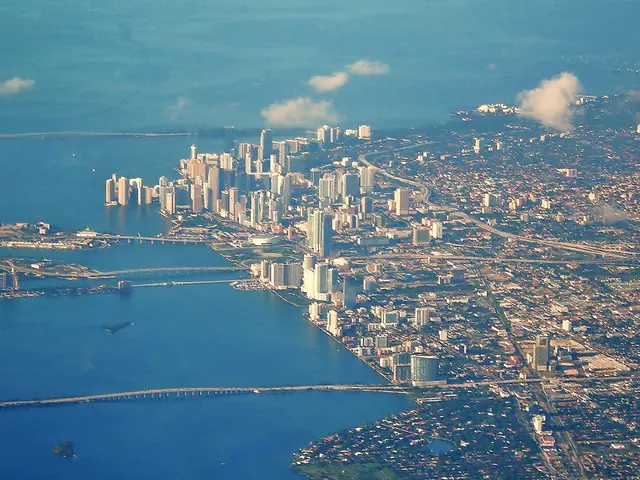
Miami’s waterfront location has played a critical role in its history. In 1895, landowners Julia Tuttle and William and Mary Brickell persuaded Henry Flagler to extend his Florida East Coast Railroad south and build a port city. Flagler’s first passenger train reached Miami in 1896, and the city of 300 residents was then incorporated. In this area, Flagler dredged a 12-foot channel in 1897 and began regular passenger service between Miami and Key West. Flagler’s Peninsular and Occidental (P&O) Steamship Company later began the first regular shipping service between Miami, Granada, and Nassau. In the post-World War II boom, Miami’s geographic proximity as one of the closest U.S. ports to the Caribbean and South America, the city’s transportation and international trade pioneers, and its connection with global commerce, have made it the "Cruise Capital of the World" and “Cargo Gateway of the Americas.” The port accommodates the largest cruise ships in the world, and is one of an elite group of international ports that cater to both cruise ships and containerized cargo vessels.
Hear stories like this as you drive
ExploreHere reads historical markers out loud as you pass them: over 325,000 stories across the US. No account needed.
4.7 · 800+ ratings · Free
FIND IT
Miami, Florida · United States