
History
The Halos, a circular open area whose name means "threshing floor," held special religious significance at Delphi, where every eight years the Septerion reenacted Apollo's slaying of the serpent Pytho. At the rear stood the Doloneia staircase, used by the boy who impersonated Apollo, and in antiquity four semicircular exedras surrounded the area, with only one preserved today. In this area and below the paving of the Sacred Way, a pit discovered in 1939 contained precious votive offerings that had been reverently safeguarded after being damaged in the earthquake of 548 B.C., including parts of chryselephantine statues, miniatures, and fragments of a silver bull, now exhibited in the Museum of Delphi. Nearby, the Rock of Sibyl, formed by rocks fallen from the Phaedriadae, was traditionally the place where the first prophetess of Delphi, the Sibyl Hierophile, uttered her oracles and was said to have foretold the fall of Troy; this spot is regarded as the oldest cult place at Delphi, where the ancient sanctuary of Earth stood around the sacred spring. Also here was the base of the Naxian Sphinx, a colossal figure set on an Ionic column 12 meters high, a mythical being of Eastern provenance with a lion's body, eagle's wings, and a woman's head, linked in ancient Greece with tradition, primitive cults, and the guarding of tombs and sanctuaries. The Stoa of the Athenians was built between 510 and 470 B.C. to house trophies from Athenian naval victories, with a 30 meter length, seven monolithic marble columns on its façade, and support at the rear from the polygonal retaining wall of the Temple of Apollo; an inscription records that the Athenians dedicated the stoa, ropes from boats, and prow figureheads to the god after defeating the Persians, and the building appears to have been funded publicly to promote Athens' leading role in that victory at Delphi. The polygonal wall of the Temple of Apollo, built in the 6th century B.C., supported the terrace on which the temple stood and is notable for its precisely fitted curved joints, while about 800 inscriptions, chiefly manumission acts, were carved along its length.
PHOTOS
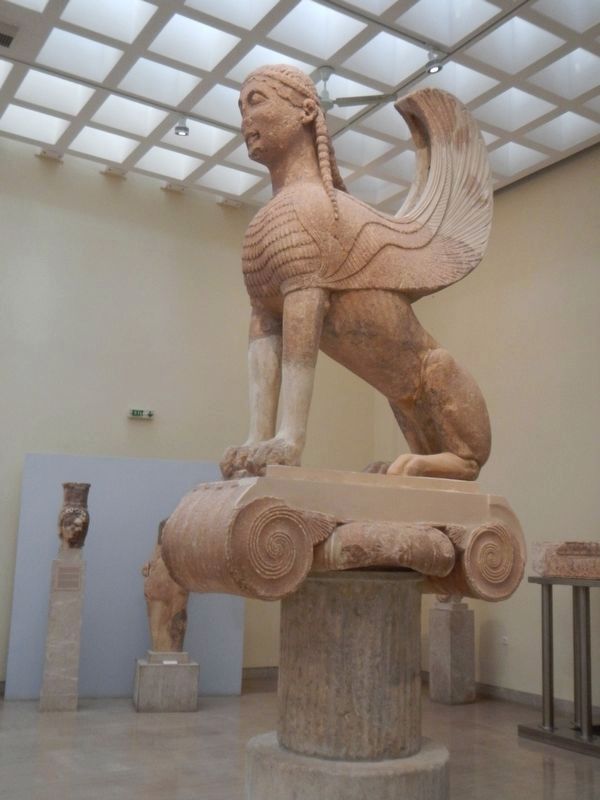
Photo: Barry Swackhamer
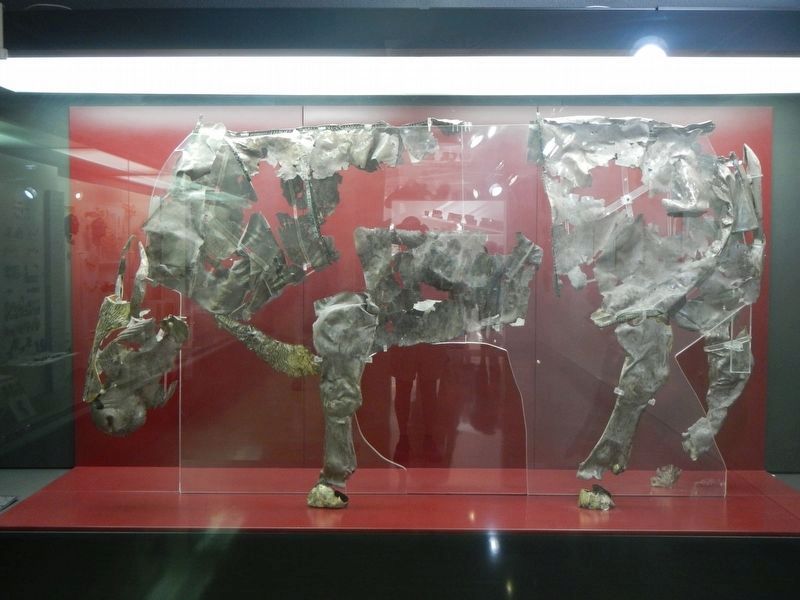
Photo: Barry Swackhamer
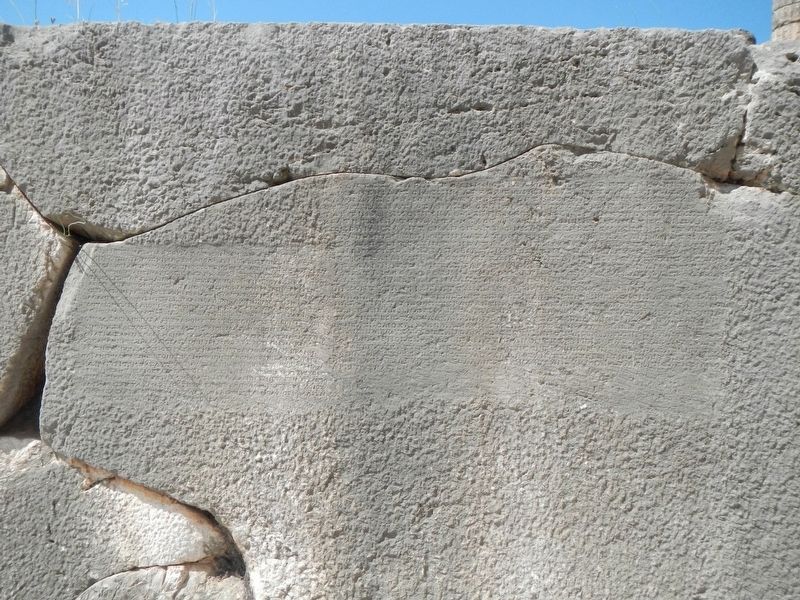
Photo: Barry Swackhamer

Photo: Barry Swackhamer
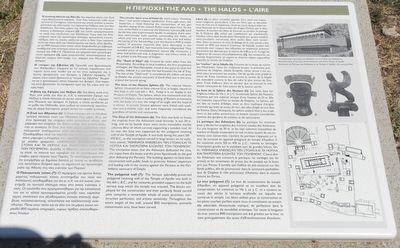
Photo: Barry Swackhamer
FIND IT
NEARBY MARKERS
© 2026 MainEngine