Arts & Culture
2
Entertainment long shaped quality of life in the region, beginning with traveling Chautauquas that brought education and amusement to the prairie through oratory and musical and dramatic productions under large canvas tents, followed by annual visits from traveling shows and storytellers in communities large and small. The vaudeville theater scene of the 1880s through 1920s introduced family variety shows, with an average revue offering five to twelve acts featuring comedians, jugglers, dancers, and famous athletes. In the 1900s, theaters began adding silent motion pictures accompanied by orchestras or organists, and the shift from silent films to talking movies signaled the decline of the vaudeville circuit. Economic hardship in the 1930s and the growing popularity of radio further reduced vaudeville to a fond memory, and many surviving vaudeville theaters became movie houses. The entertainment landscape changed again in the late 1940s with the arrival of television, prompting theaters to work creatively with advertisers and promoters to draw audiences, while theaters still remained an important part of local entertainment choices.
Hear stories like this as you drive
ExploreHere reads historical markers out loud as you pass them: over 325,000 stories across the US. No account needed.
4.7 · 800+ ratings · Free
FIND IT
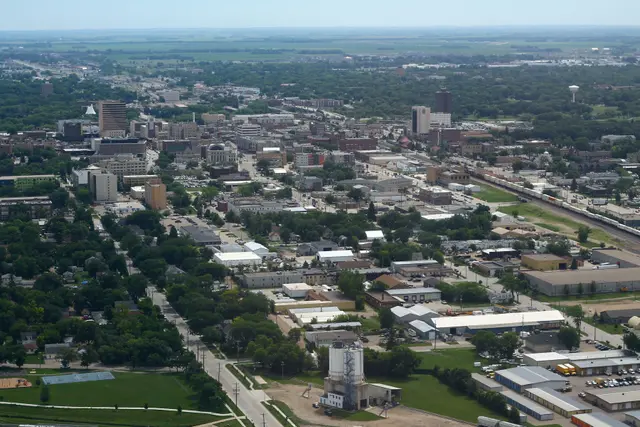
Fargo, North Dakota · United States