History
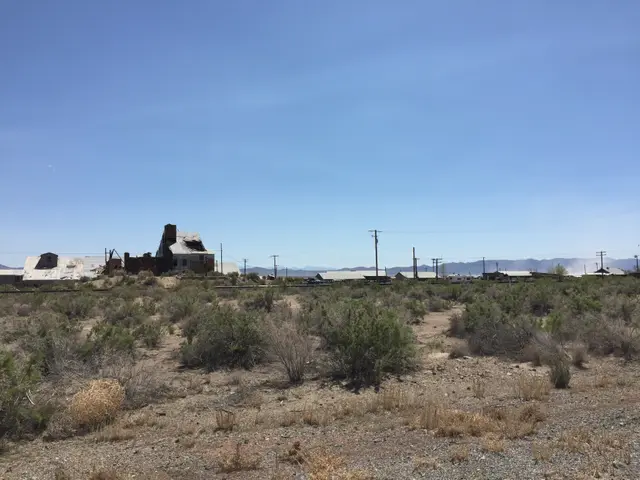
Humboldt Cave is a small, dry prehistoric archaeological site in Nevada’s Great Basin overlooking the Humboldt Sink in a landscape once influenced by ancient Lake Lahontan. Flood deposits and later thick layers of bat guano helped preserve fragile organic materials. Excavated in 1936 by Robert F. Heizer, the cave was interpreted as a temporary refuge rather than a permanent home, though disturbed deposits made its occupational history unclear. It is especially important for 31 cache pits, likely from a single use about 2,000 years ago, containing decoys, robes, mats, bags, pouches, waterfowl remains, and horn tools that illuminate prehistoric Great Basin life and wider exchange networks.
Hear stories like this as you drive
ExploreHere reads historical markers out loud as you pass them: over 325,000 stories across the US. No account needed.
4.7 · 800+ ratings · Free
FIND IT
Lovelock, Nevada · United States